

Don’t Toss It - Return It: Recycling Your Clothes Makes a Difference
With fast fashion and new trends developing all the time, it's easy to think of clothes as something you can throw away. When a t-shirt tears or a jumper fades, or when a new season comes around, they tend to get tossed in the bin. What if we told you that simply throwing your clothes in the bin has more of an impact than you might have thought?
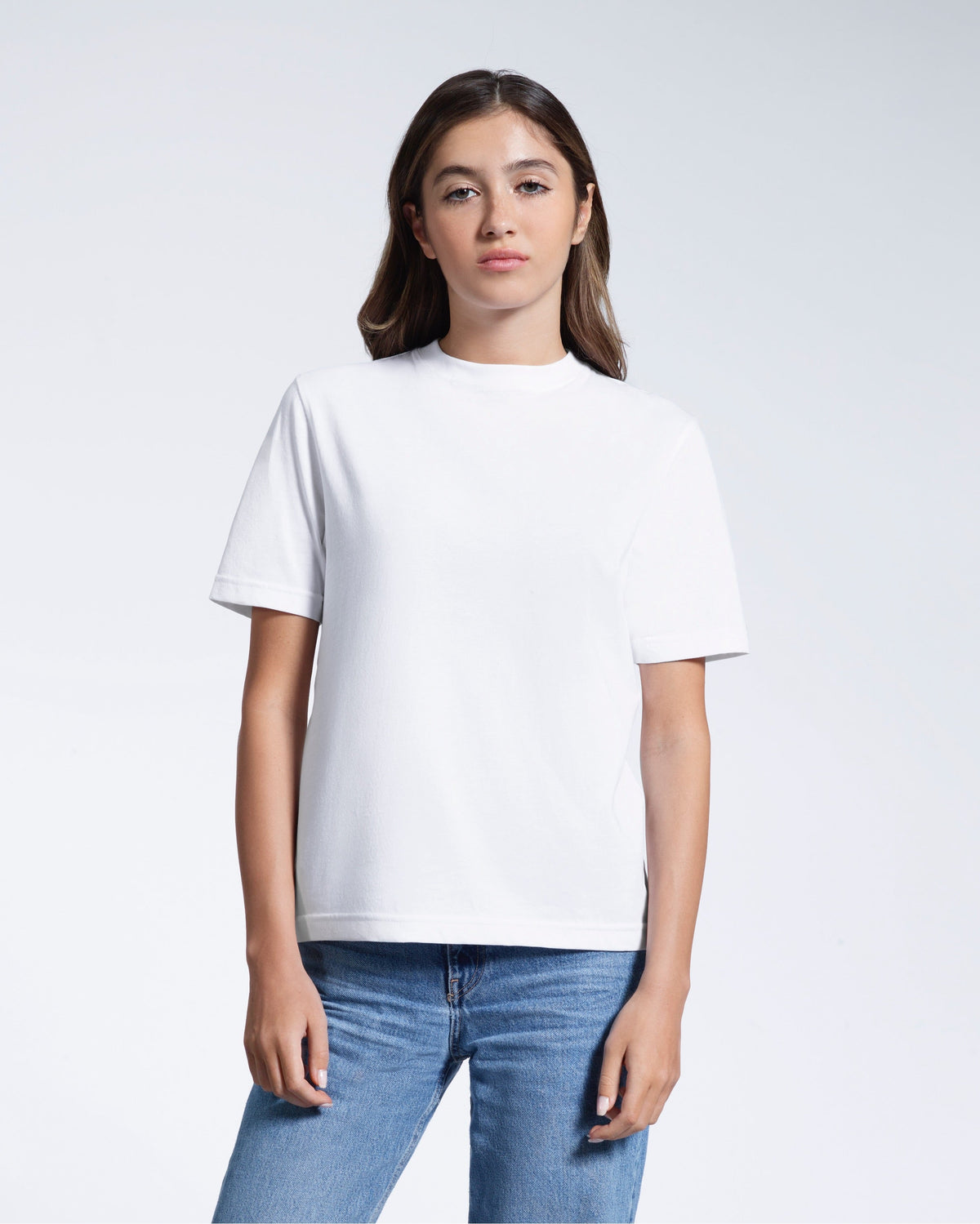
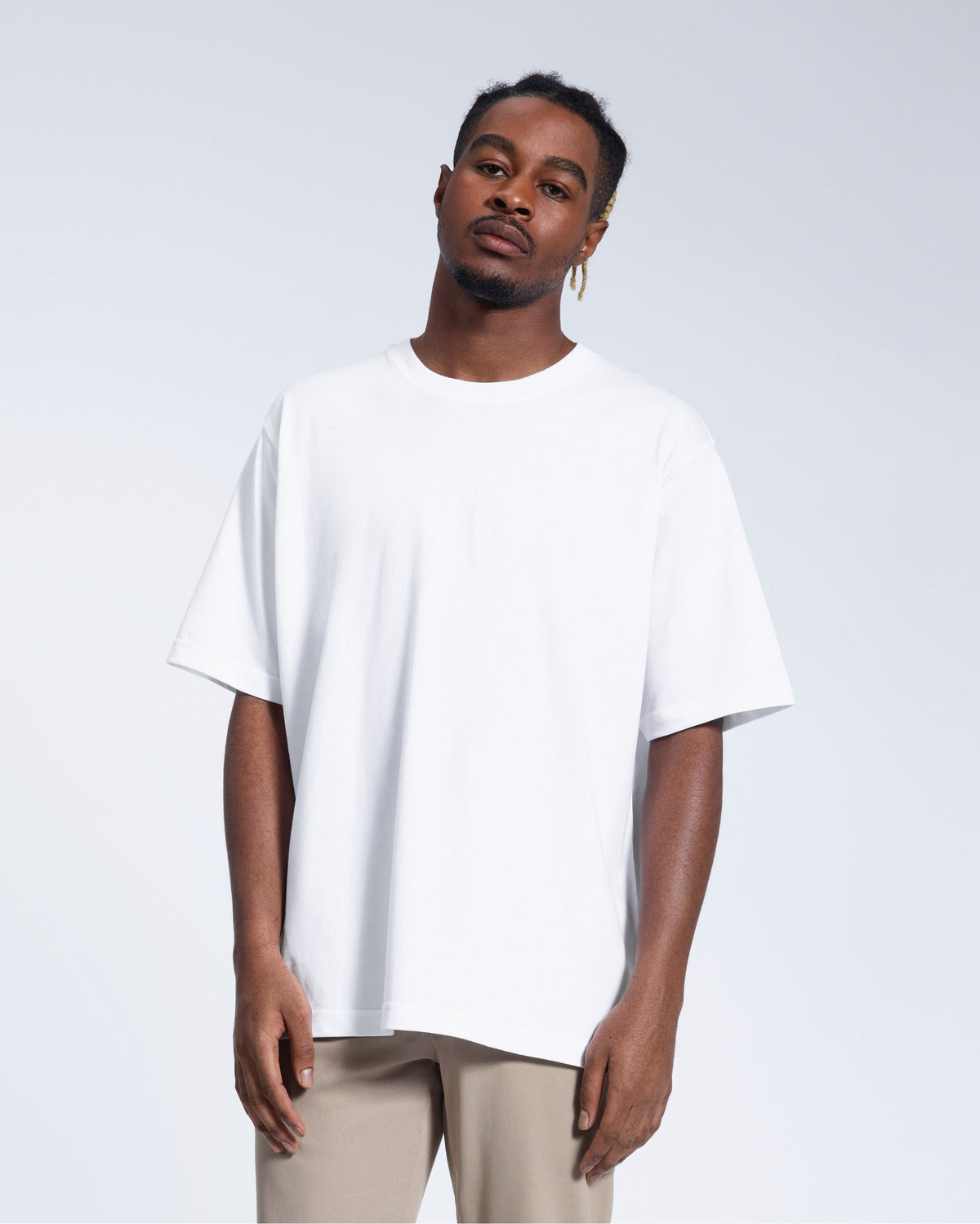
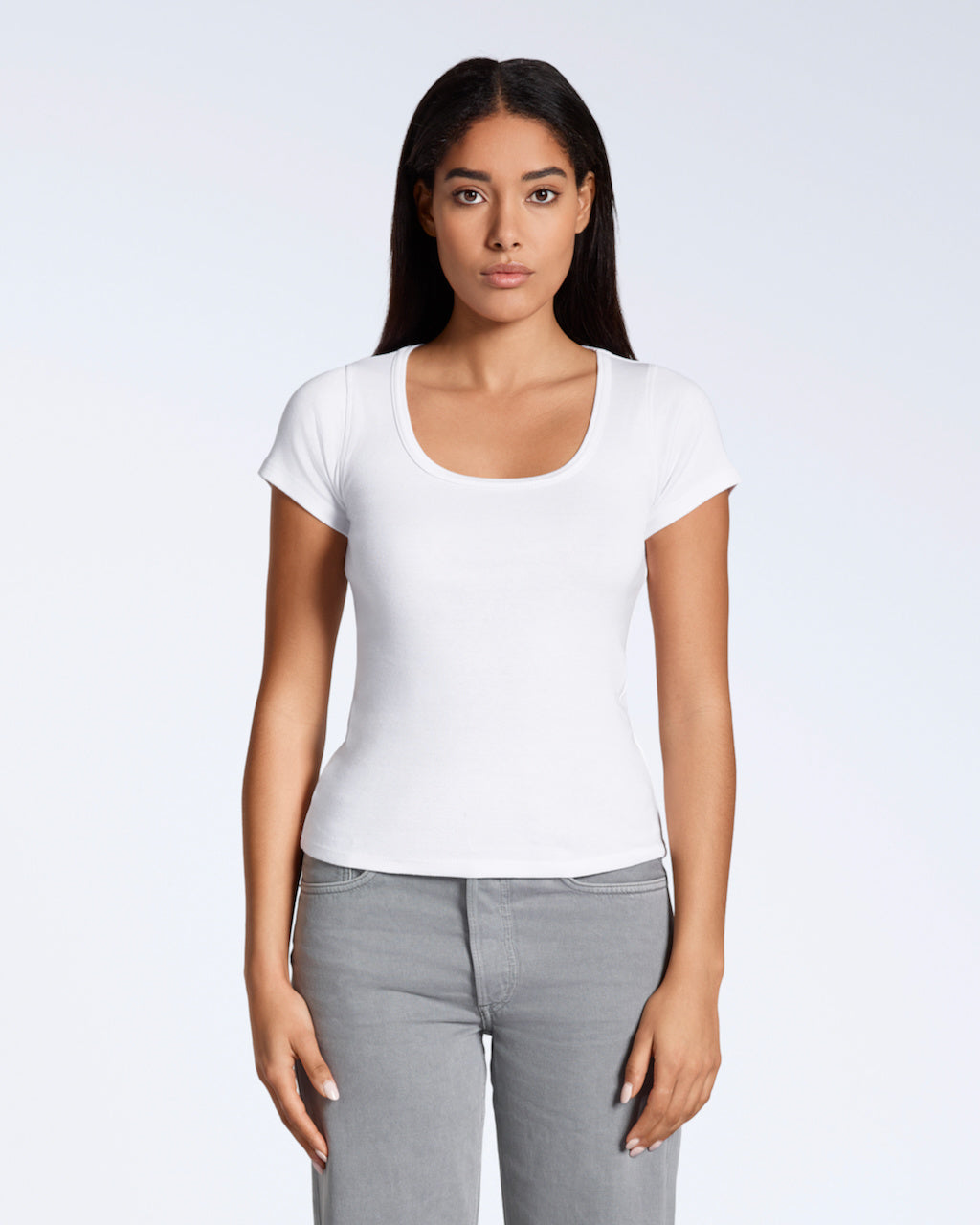
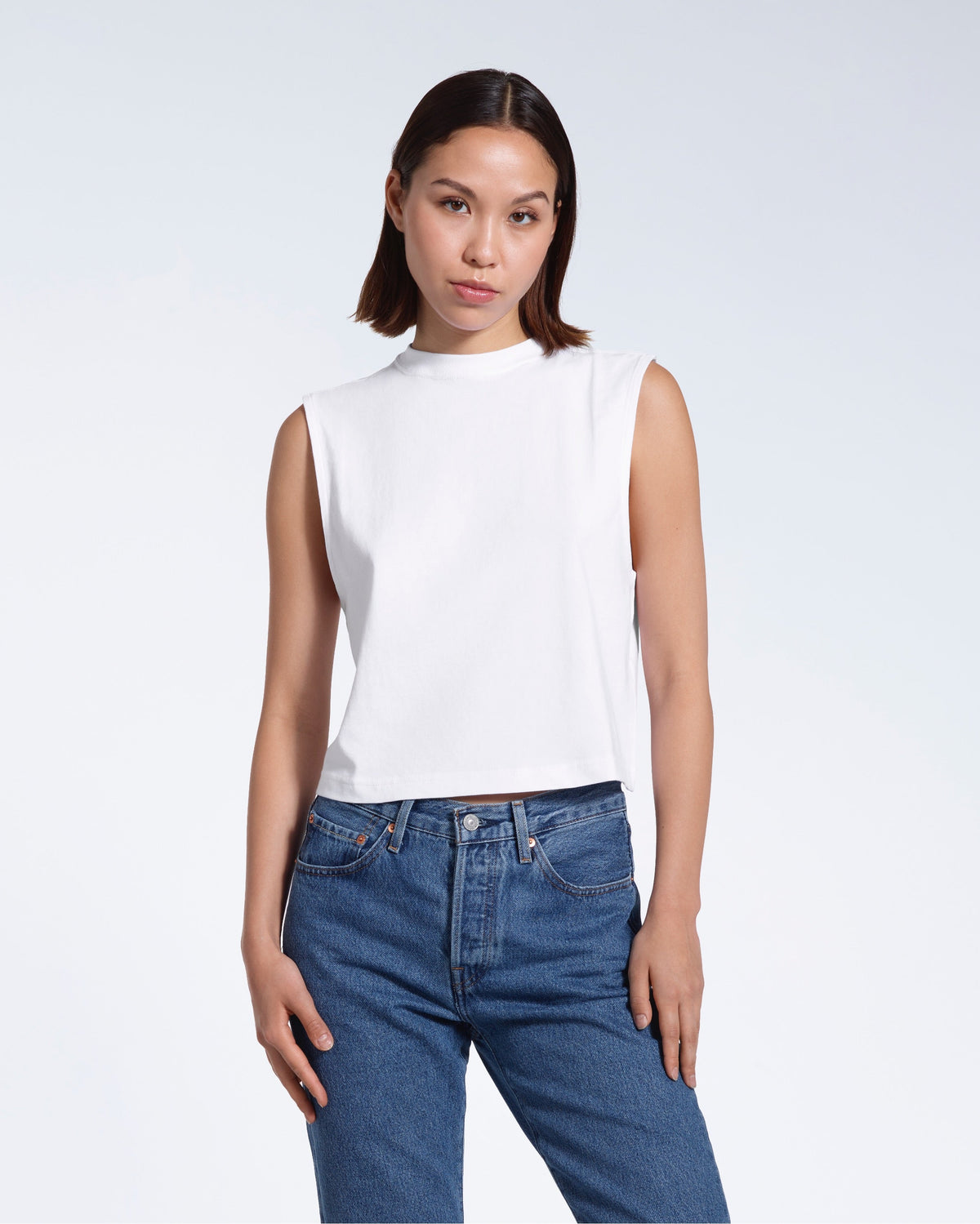
Here at Plainandsimple, we think that every piece of clothing has a story, and when you're done with it, it shouldn't just go to the dump. We want to make it easier than ever to recycle, return, and rethink your clothes because what you wear and what happens to it after you're done with it are both important.
What You Might Not Know About Throwaway Fashion
Over 92 million tonnes of textile waste are created around the world every year. That's the same as putting a bin lorry full of clothes into a landfill every second. Sadly, a large amount of this waste is made from synthetic fibres like polyester. These fibres can take hundreds of years to break down, releasing microplastics and chemicals that are bad for the environment into the land and water systems.
And it's not just the waste from end-of-life that worries us. About 10% of the world's carbon emissions come from the fashion industry. That's more than shipping and flying put together. We're putting too much stress on the Earth's resources when we buy, wear, and throw away clothes at this fast rate.
Why It's Important to Recycle Your Clothes
When you return or donate clothes, the fibres and materials can be used for something else or recycled to make something new.
It makes a huge difference in the following ways:
1. Less waste in landfills
When clothes are recycled instead of thrown away, they don't end up in landfills, where they would break down and release methane, a powerful greenhouse gas.
2. Keeps natural resources safe
Recycling fibres cuts down on the need for new materials like polyester and cotton, which are bad for the earth. A lot of water is used to grow cotton, and fossil fuels are used to make polyester. We make these materials last longer by recycling textiles.
3. Cuts down on carbon emissions
It takes a lot of energy to make new clothes from raw materials. Reusing old fibres cuts down on the pollution that comes from making new ones, which helps fashion's overall carbon footprint.
4. Supports an eco-friendly economy
When clothes are made, worn, and then recycled, they are part of a circular fashion economy. In this system, waste is kept to a minimum and materials are continuously being used again and again.
How the Return & Recycle program at Plainandsimple Works
At Plainandsimple, we don't just promote environmentally friendly initiatives; we build them into every step of the way when we create our products. With eco-friendly dyes and fabrics, we make clothes that last. But even the most durable pieces wear out at some point. We can help with that through our return and recycling program.
How it works:
-
Request a return
When your Plainandsimple pieces are worn out or just don't fit anymore, put your return request through via our website, and choose ‘recycle’ from the return options. All Plainandsimple clothes are welcome, no matter what state they are in.
-
Send them back to us
Check your email for your pre-paid return label, and drop them off at one of your local shops.
-
We recycle or compost them
As soon as we receive your parcel at our warehouse, we’ll add it to our recycling box. Your old items will then be recycled back into new yarn for new clothing or composted.
-
Get rewarded
As a thank you, you'll get money off your next buy. You’ll receive a 15% off discount code to use on your next order.
A Little Action That Makes a Difference
A common misconception is thinking it’s pointless if just one person makes the effort, and won't really make a difference. But when a lot of people choose to recycle, it makes a big difference very quickly.
As an example:
Up to 20,000 litres of water can be saved by recycling just one kilogram of cotton. That's how much water one person drinks in almost eleven years.
When you recycle one pair of jeans instead of making a new pair from scratch, you save about 3 kilograms of carbon dioxide.
The carbon, water, and waste impacts of clothing could be cut by 20–30% if everyone in the UK made their clothes last nine months longer.
Being More Care Conscious
Being sustainable isn't just about the materials we use; it's also about how we wear clothes. When you buy, wear, and return things in a responsible way, you help change the culture so that quality over quantity and care over ease are valued.
Plainandsimple creates clothes that are made to last. We make designs that will never go out of style and fabrics that will last through everyday use. Just as important, though, is that we make sure those pieces have a place to go once they’ve served their purpose.
What You Can Do Today to Make a Difference
Now is the time to take these easy steps to make your clothing more eco-friendly:
Choose well and buy less
Buy high-quality pieces that you can wear in many ways. Choose eco-friendly, recycled, or natural products because they feel better on your skin and last longer in general.
Take good care of them
Dry clothes in the air if you can, wash them at lower temperatures, and fix small damages and imperfections yourself instead of buying a new one.
Give back what you don't need anymore
Don't throw away or let your old clothes gather dust. Donate them to charity shops, list them on re-selling sites like Vinted or Depop, or send us back your Plainandsimple items for recycling.
We can change what fashion means together.
It may seem like a small thing to recycle your clothes, but it's actually part of a much bigger push towards responsible, eco-friendly fashion. It takes one less item of clothing to be thrown away and one more step towards a circular economy, in which everything has worth and nothing is wasted.