












The Carbon Footprint of a T-Shirt: From Cotton Farm to Your Wardrobe
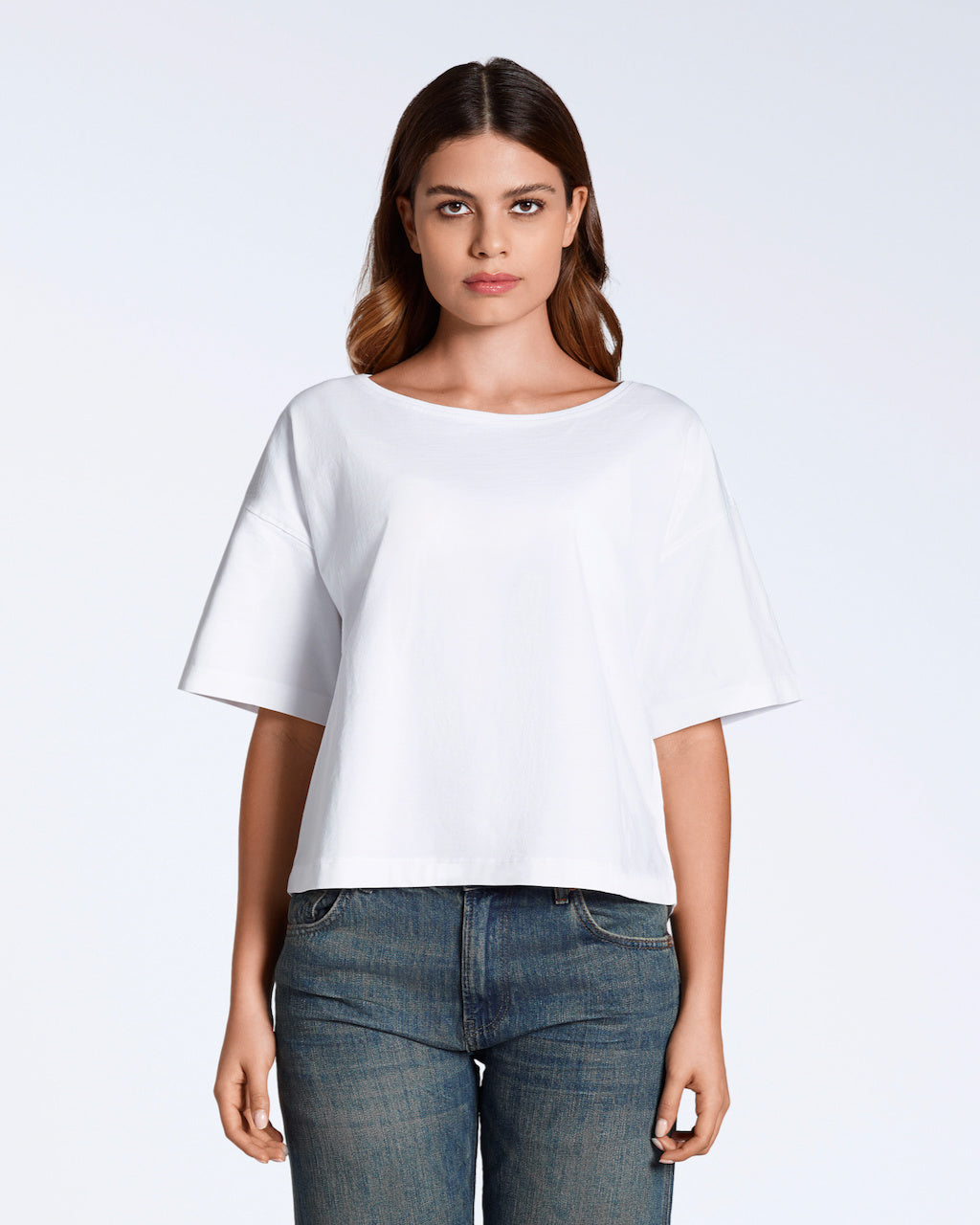
One of the simplest things in our wardrobes might just be a plain white tee. Nevertheless, each t-shirt you wear goes through a long production process.
At each step, the t-shirt's carbon footprint (i.e. the total amount of greenhouse gases it produces over its lifetime) grows.
It's easier to understand why the choices we make around buying and caring for clothes can have a big effect on the world when we know what the carbon footprint looks like.
What does "carbon footprint" mean in a fashion sense?
A carbon footprint reports the amount of greenhouse gases that something releases over its entire life.
Regarding clothes, this includes emissions from:
-
Producing or growing fibres
-
Fabric spinning and sewing
-
Dyeing and finishing fabrics
-
Manufacturing processes
-
Transport and packaging
-
Washing, drying, and ironing at home
-
Disposal
An enormous amount of the energy used in every step still comes from fossil fuels.
Stage 1: Growing the Material
When it comes to cotton t-shirts, the process starts on the farm.
Growing cotton includes:
-
Preparing the land
-
Irrigation
-
Fertilisers and pesticides
-
Harvesting equipment
By using fuel and farming chemicals, these activities add to pollution.
But organic cotton growing has a much smaller effect on the environment because it doesn't use synthetic fertilisers or pesticides and actually improves the health of the soil, which increases carbon storage.
Step 2: Making Fabric from Fibre
After being picked, cotton fibres go through a number of industrial steps:
-
Spinning: twisting fibres into yarn
-
Knitting or weaving: yarn turns into fabric
-
Dyeing: giving fabric colour
These steps require a lot of energy, especially for:
-
Running and operating machinery
-
Heating water for dyeing
-
Chemical processing
Textile production is one of the most energy-intensive sections of the fashion supply chain.
Stage 3: Making Clothes
Cutting and stitching the fabric into a finished garment is the next step.
Sewing doesn't let out as much pollution as manufacturing textiles, but the overall effect still depends on:
-
Sources of energy for factories
-
Size of production
-
Waste produced while cutting
Factories that use renewable energy can greatly minimise their carbon footprint at this stage.
Step 4: Moving and distributing
After being made, clothes typically have to travel thousands of miles before they get to the customer.
Transportation could include:
-
Shipping between suppliers
-
Moving goods to warehouses
-
Distribution to stores by road
Shipping is relatively more efficient than air freight, but global supply chains still add to the fashion industry's total emissions.
Stage 5: The Unseen Impact at Home
Many are shocked to find out that a piece of clothing can have the most carbon impact after it’s bought.
General day-to-day care habits, like:
-
Washing with hot water
-
Frequent tumble drying
-
Ironing on a regular basis
Over the course of the garment's life, they all require energy and add to emissions.
Choosing clothes that last and washing them properly can make a big difference.
Stage 6: End-Of-Life Disposal
When we throw clothes away, they generally wind up in a landfill or being burnt.
When synthetic materials break down, they can produce greenhouse gases. Natural fibres break down more easily, but they are still wasted resources if they’re thrown away prematurely.
Repairing, reselling, or donating a piece of clothing are easy ways to extend their lifespans, which means fewer new items need to be made, which lowers emissions overall.
Why Longevity Is Important
Wearing clothes for longer is one of the best ways to lower their carbon footprint.
When you wear a t-shirt hundreds of times instead of just a few dozen, the emissions from making it are spread out over a lot more usage.
Clothes last longer when they are made well, are durable, and have a design that will never go out of style.
How People Can Make Their Clothes Less Carbon-Intensive
Small choices add up.
You can reduce the amount of clothing you buy by:
-
Choosing durable, well-made clothes
-
Buying fewer, more higher-quality pieces
-
Not washing your clothes as often
-
Using cooler wash cycles
-
Instead of tumble drying, air drying
-
Fixing things instead of throwing them away
These small changes can help lower the cost of clothes in the long run and the damage they do to the environment.
A New Way to Look at Clothes You Wear Every Day
A t-shirt may look simple, but its journey isn’t. Every step, from cotton fields to factories to our wardrobes, has an effect on the environment.
By understanding that journey, we can make choices that support longer-lasting clothes, lower emissions, and a more responsible fashion industry.