

Why Fabric Blends Are Harder to Recycle (And What to Choose Instead)
Fabric blends are everywhere and very easy to find. Blended fabrics are often sold as the "best of both worlds". They are commonly used in cotton-polyester t-shirts, stretch denim, and exercise wear.
But fabric blends are very hard to manage when it comes to sustainability and circular fashion, especially when it comes to recycling.
What Do Fabric Blends Mean?
Fabric mixes are textiles that are made from two or more fibres. Blends are often used to:
-
Help with stretch
-
Make wrinkles less noticeable
-
Lessen the cost
-
Change how the item feels or hangs on the body
Why it's hard to recycle fabric blends
1. It's hard to separate the fibres
Most methods for recycling are made to handle only one type of fibre at a time. When fibres are tightly woven together, it takes complicated and pricey equipment to separate them.
A lot of the time, separation:
-
Isn't commercially viable
-
Huge amounts of energy are used
-
Produces recovered fibres of lower quality
2. Recycling by hand makes fibres weaker
Recycling mechanically involves shredding fabric, which:
-
Cuts the thread length down
-
Looses the fibre’s strength
-
Limits reuse for high-quality garments
Because different threads break down in different ways, blends make this problem worse.
3. There are still limits on reusing chemicals
Recycling chemicals is a good idea, but it:
-
Isn’t widely accessible yet
-
Needs high-quality inputs
-
Has trouble with dyes, finishes, and fibres that are mixed
Because of this, most mixed clothing still ends up in landfills or are burned.
What It Means for Circular Fashion
For circular fashion to work, items must be:
-
Disposable of
-
Long-lasting
-
Simple to get better at the end of life
This loop is broken by fabric mixes, which make it harder for clothes to get back into the system as new clothes.
That's one reason why design choices are just as important as consumer behaviour.
What to Pick Instead
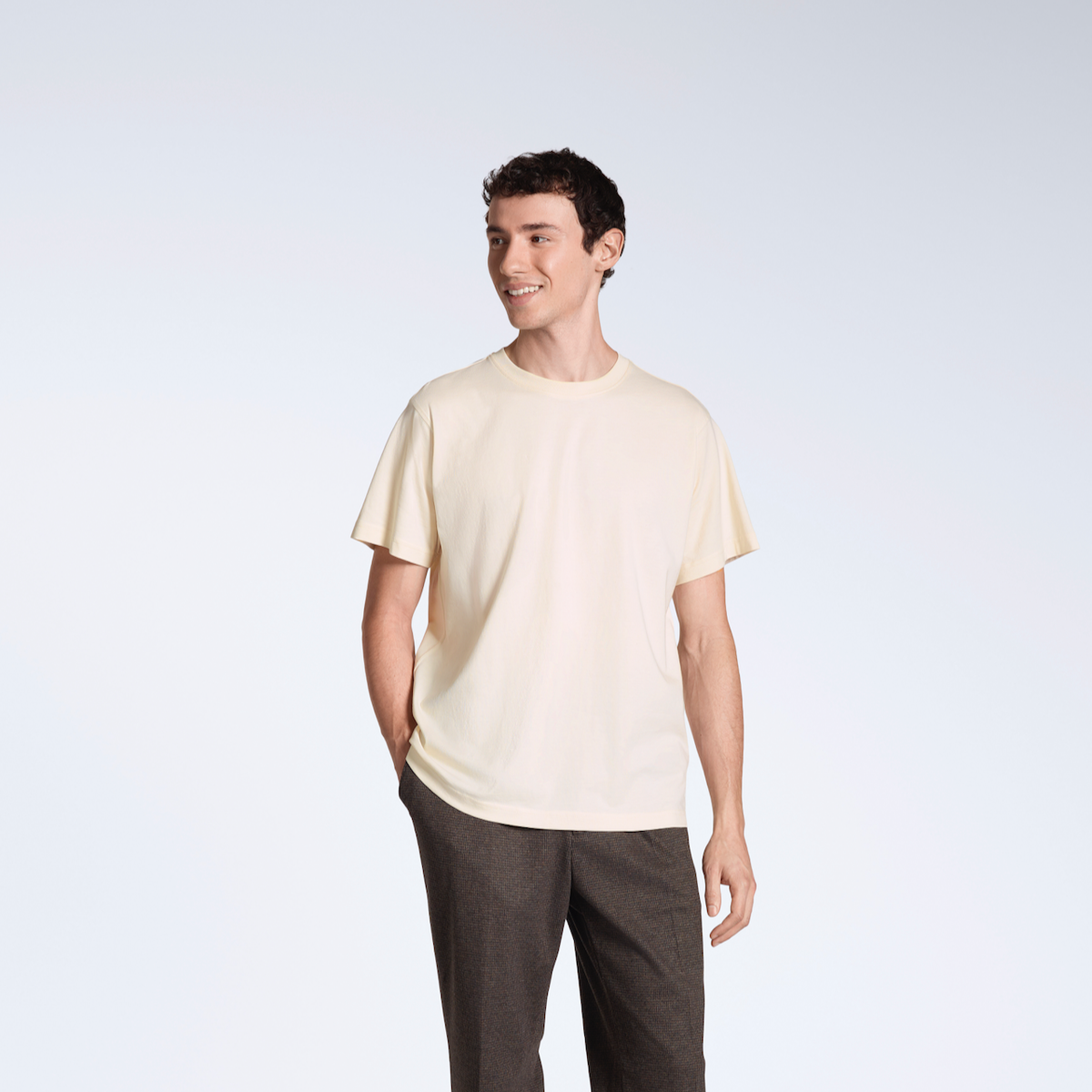
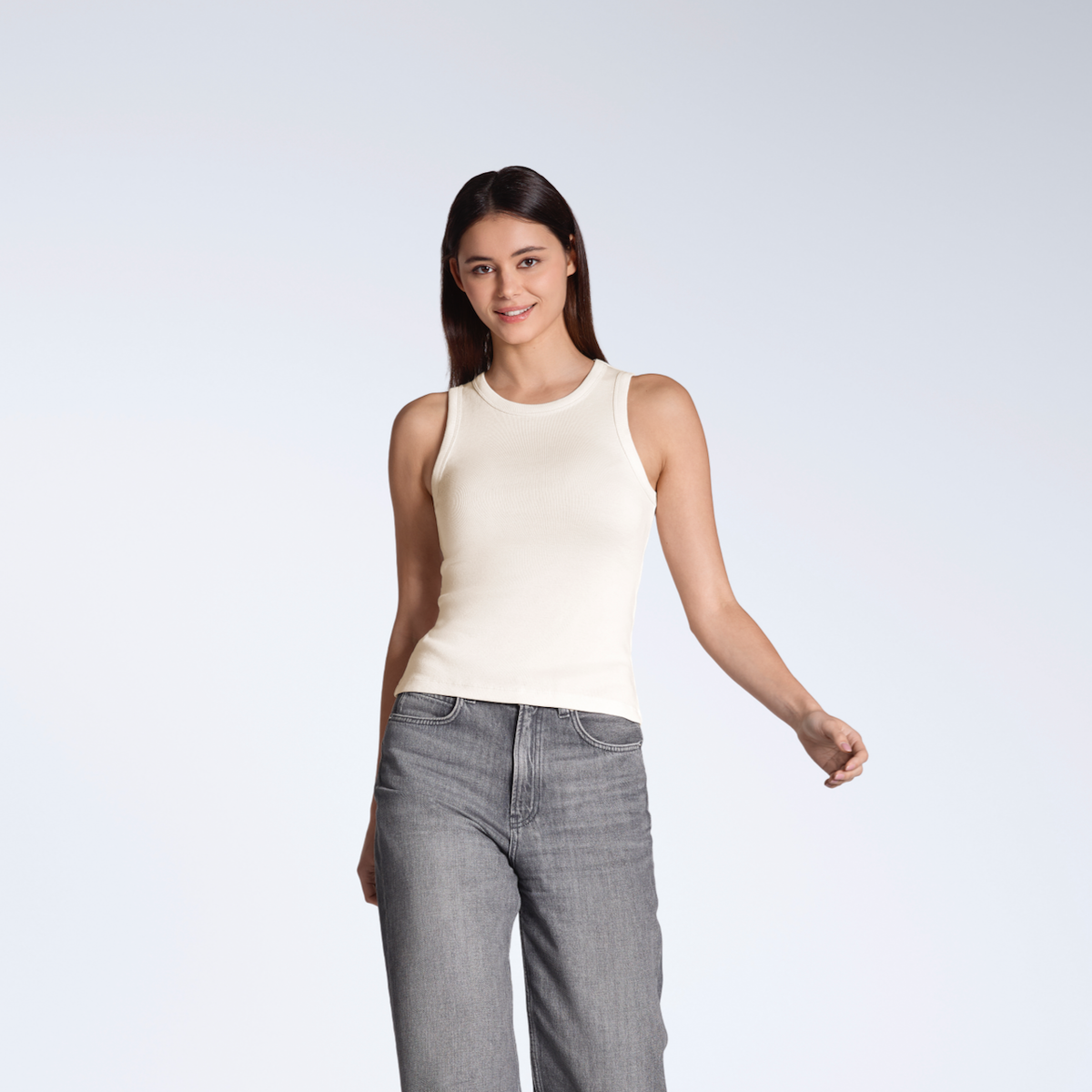
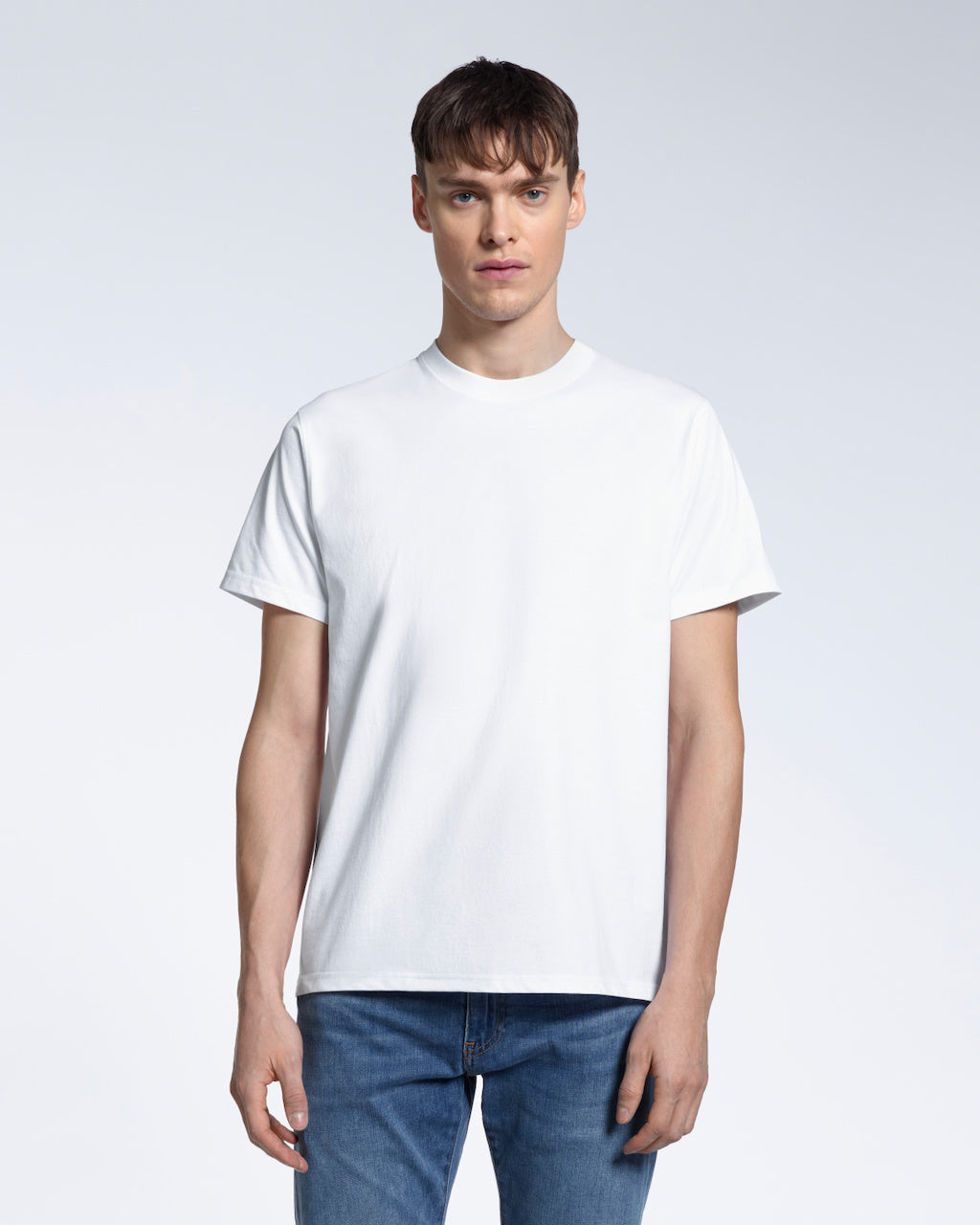
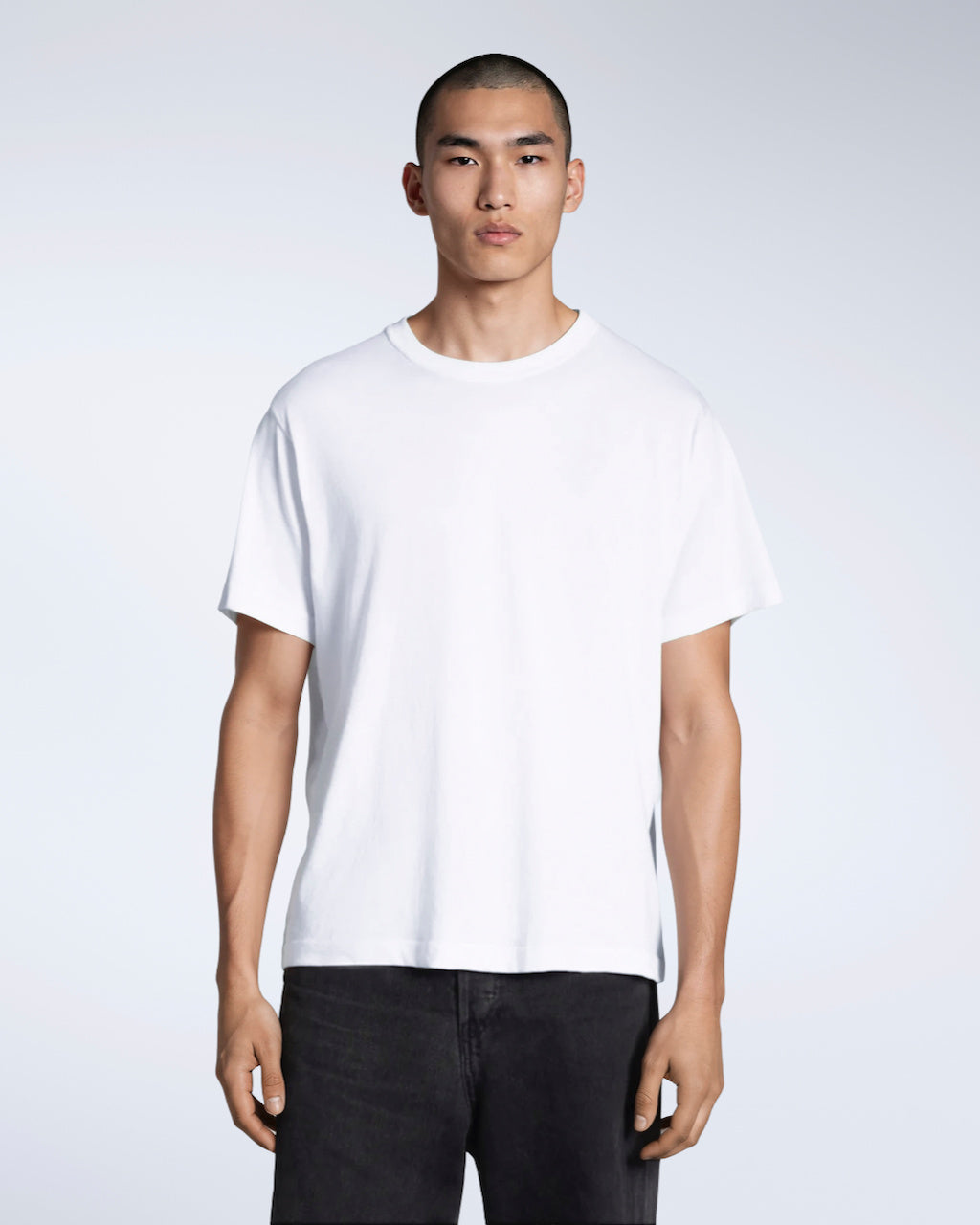
1. Fabrics made of a single material, where possible
These materials are:
-
It's easier to recycle
-
More compatible with circular business setups
-
Easier to identify and sort
2. A more considered approach to blended fabrics
Some mixes can't be avoided, especially when you require stretch or structure.
Here are some signs that mixes are being used correctly:
-
Very small amounts of synthetic strands are being used
-
It’s clear exactly why they're being used
-
Long-lasting design that doesn’t add to recycling issues
3. Buy quality to last
The less of an effect a blended garment has at the end of its life, the longer it is used.
Focus on:
-
Classic designs that never go out of style
-
High-quality construction
-
Caring properly for your clothes
One of the best ways to help the environment right now is to make the clothes you already have last longer.
What can consumers do to help fix the issue?
You can help make processes better by:
-
Whenever possible, choose clothes made of one fibre
-
Keeping basics from getting stretched out unnecessarily
-
Not washing clothes as often
-
Where you can, support brands that actively consider end-of-life
-
Ask questions about the makeup of the fabric
Higher quality designs lead to better outcomes
Fabric mixes aren't always bad, but there are some things that should be considered carefully.
Brands and customers can move closer to a fashion system that truly supports circularity by putting an emphasis on simplicity, longevity, and carefully chosen materials.