

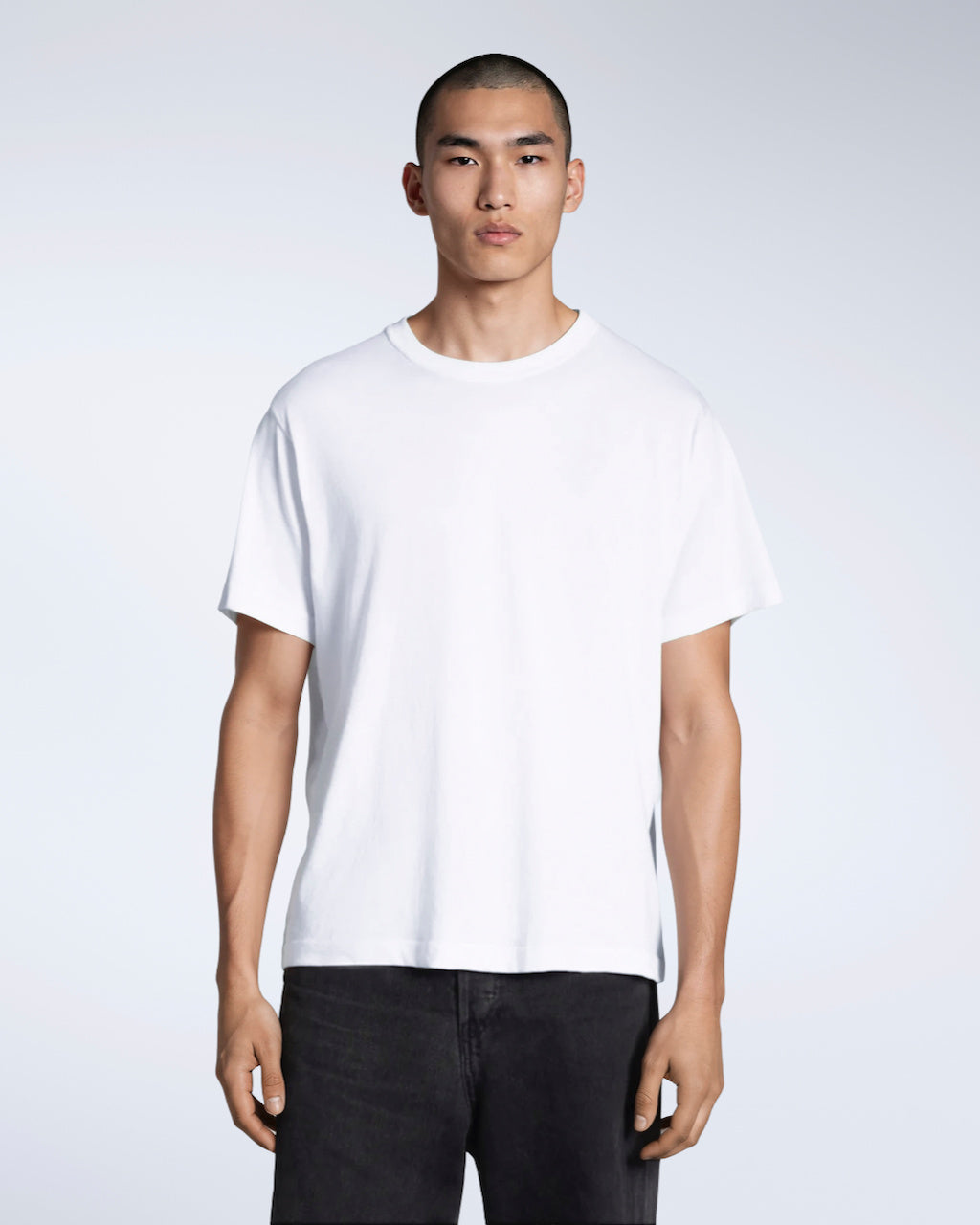
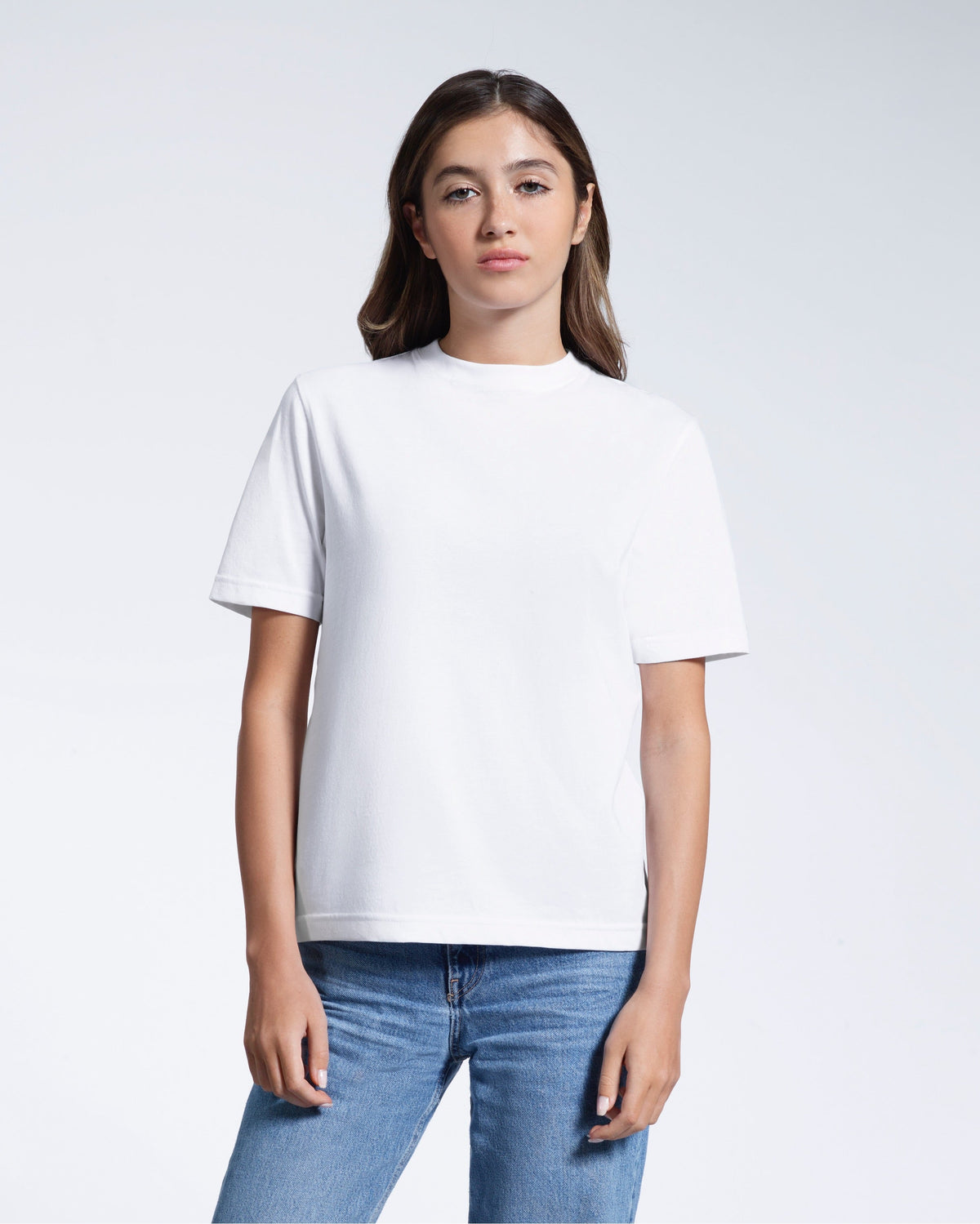
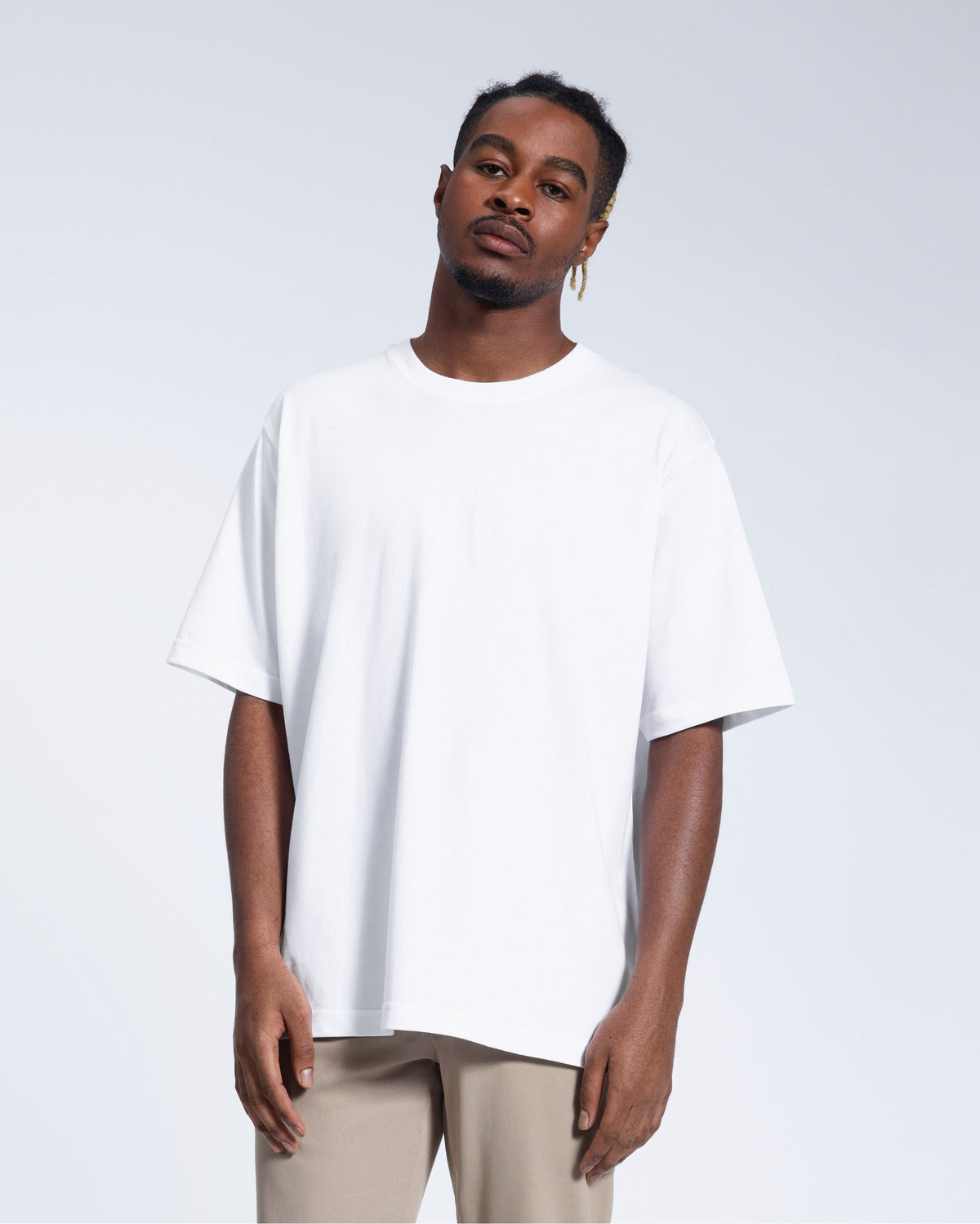
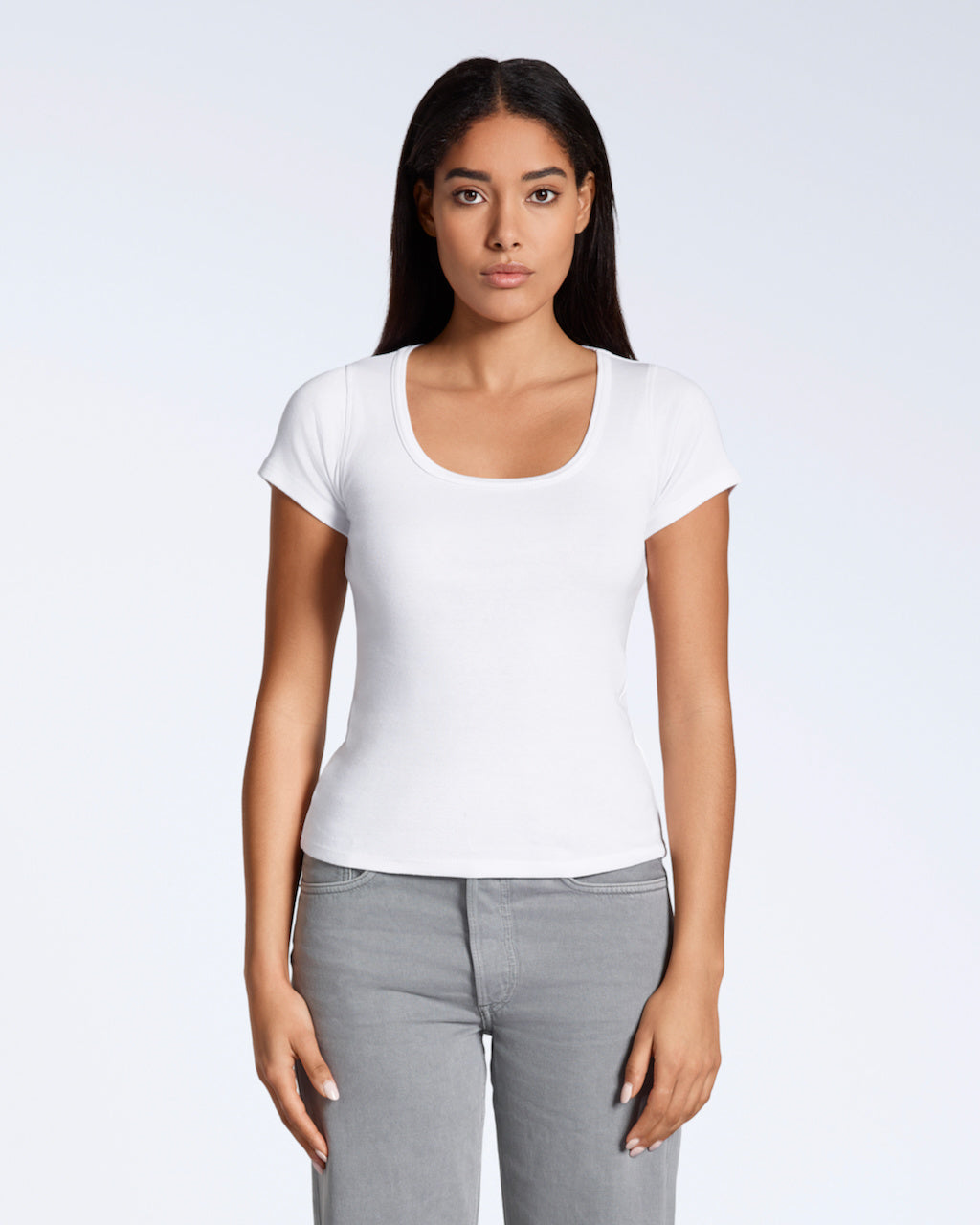


Cost Per Wear: Why Fewer, Better Clothes Are Actually Cheaper
Most of us at some point in our lives have bought a cheap t-shirt that looked wonderful on the first day but became misshapen or faded by the third week. It seemed like a good deal at first, but the quality didn't last long enough to make it worth it.
Cost per wear is what makes all the difference here. Cost per wear doesn't question how cheap it may be, but instead, asks, "How much will this really cost over the lifetime of the garment?"
This simple approach can change the way you buy, helping you save money and build a more sustainable wardrobe that lasts longer.
What Does Cost Per Wear Mean?
Here's how to figure out the cost per wear:
True cost = Price of garment ÷ Number of times worn
For instance:
A £12 t-shirt that’s worn 6 times = £2 per wear
A £36 t-shirt worn 60 times = £0.60 per wear
In short, even if the initial price is higher, if it’s more durable, useful and more loved, it becomes more cost-effective.
Why inexpensive clothes often cost more
Low costs often result in compromising on:
-
Quality of the fabric
-
Construction processes
-
Fit development
-
Ethical labour practices
These become prevalent in the following ways:
-
Shrinkage after a few washes
-
Twisted seams/signs of poor construction
-
Colour fading
-
Fabric that is thin and loses its shape
When you need to replace a piece of clothing in quick succession, the "saving" you initially made becomes invalid both monetarily and environmentally.
Quality Signals That Lower Cost Per Wear
1. Fabric and fibres
T-shirts that are higher quality commonly use:
-
Longer cotton fibres
-
Knits that are tighter and more even
-
Appropriate fabric weights for everyday wear
These characteristics help clothes preserve their form and suppleness over time.
2. Construction
Check for:
-
Necklines with extra support
-
Even stitching
-
Strong, durable hems
-
Straight side seams
Fewer repairs and a longer life are the results of a well-constructed garment.
3. Timelessness
Trends don't last long. Basics last because they:
-
Work all year round
-
Go well with what you already have
-
Don't rely on fashion cycles
When it comes to longevity, it’s as much about style as it is about strength and durability.
The Costs You Don't See That Come With Low Prices
An extremely cheap t-shirt would imply that costs have been transferred elsewhere:
-
Low or unpaid labour
-
Environmental impacts
-
Synthetic or poor-quality materials
-
Overproduction and excessive waste
Cost per wear reminds us that someone, or the world, often has to pay the difference.
How to Figure Out Cost Per Wear Before You Buy
Consider:
-
How often will I really wear this?
-
Can I build at least 5 outfits from it?
-
Is the fabric good enough for regular washing?
-
Would I still want this in two years?
A Wardrobe Based on Value, Not Size
Purchasing fewer, higher-quality items:
-
Lessens clutter
-
Over time, it is more cost-effective
-
Have less of an impact on the environment
-
Makes it easier to choose your outfit for the day
Cost per wear isn't about spending more money; it's about spending it more wisely.
The Real Deal
The cheapest piece of clothing isn't always the best value. It's the thing you keep going back to, and it's still soft, still in its original form, and still a favourite for years to come.
That's what real affordability looks like.